


Key Takeaways
- Dementia typically starts after age 65, but early-onset cases can occur as early as age 40.
- Early signs include memory loss, confusion, language difficulty, and behavioral changes.
- Detecting dementia early gives families time to plan and involve their loved one in decisions.
- Risk can be reduced through exercise, diet, sleep, social connection, and chronic condition management.
- Memory care becomes necessary when safety, supervision, or daily needs exceed what families can provide.
Dementia and Older Adults
When watching a family member struggle with forgetfulness or confusion, many people get concerned. You want answers, and you want to know what steps to take next. How can you tell if it’s age-related forgetfulness or something more serious, like dementia? It helps to learn more about dementia and how to recognize this complex condition.
Dementia most often affects people over the age of 65. While it can sometimes develop earlier, this is extremely rare. If your loved one is over the age of 65 and showing signs of forgetfulness, it’s time to book a visit with a healthcare professional.
When Does Dementia Typically Begin?
Dementia most often affects adults over the age of 65, with the risk doubling approximately every five years after that. Dementia isn’t just one condition, though. It consists of a group of symptoms caused by underlying problems like Alzheimer’s disease and vascular dementia.
In rare cases, symptoms can begin much earlier—sometimes as early as a person’s 40s or 50s. This is known as early-onset dementia, and it accounts for roughly 5–10% of all cases.
Early Signs of Dementia to Watch For
Dementia symptoms develop gradually. Often, these changes are so slow that mild changes blend into everyday forgetfulness. You might notice small things at first—your loved one asking the same question twice or seeming confused about something they normally handle easily.
Usually, dementia begins with symptoms such as:
- Short-term memory loss
- Difficulty solving familiar problems
- Confusion about time or place
- Mood or personality shifts
- Misplacing items in unusual places
- Trouble following conversations
- Social withdrawal or lack of interest in activities
If these sound familiar, it’s time to think about professional care.
Why Early Detection Makes a Difference
Catching the signs of dementia early offers families more time to plan and make decisions together. It lets your loved one participate in conversations about their care, lifestyle, and future preferences before their symptoms progress further.
Early detection also opens the door to treatments or therapies that may help slow progression or improve quality of life. From long-term care planning to community resources and support, families have more options when they start exploring those paths early.
Steps to Reduce Dementia Risk
You can’t control every risk factor for dementia. However, several lifestyle changes may help lower the chances of early-onset dementia or delay its progression. These strategies support overall brain health and can improve quality of life regardless of dementia risk.
To lower the risk of dementia, it helps to:
- Exercise regularly
- Eat a Mediterranean-style diet
- Stay socially connected
- Get consistent, high-quality sleep
- Reduce daily stress
- Keep the brain active through reading, puzzles, or learning new skills
- Manage health conditions like diabetes, heart disease, and high blood pressure
Even small lifestyle changes can promote cognitive health. They’re the key to helping your loved one stay sharper, for longer.
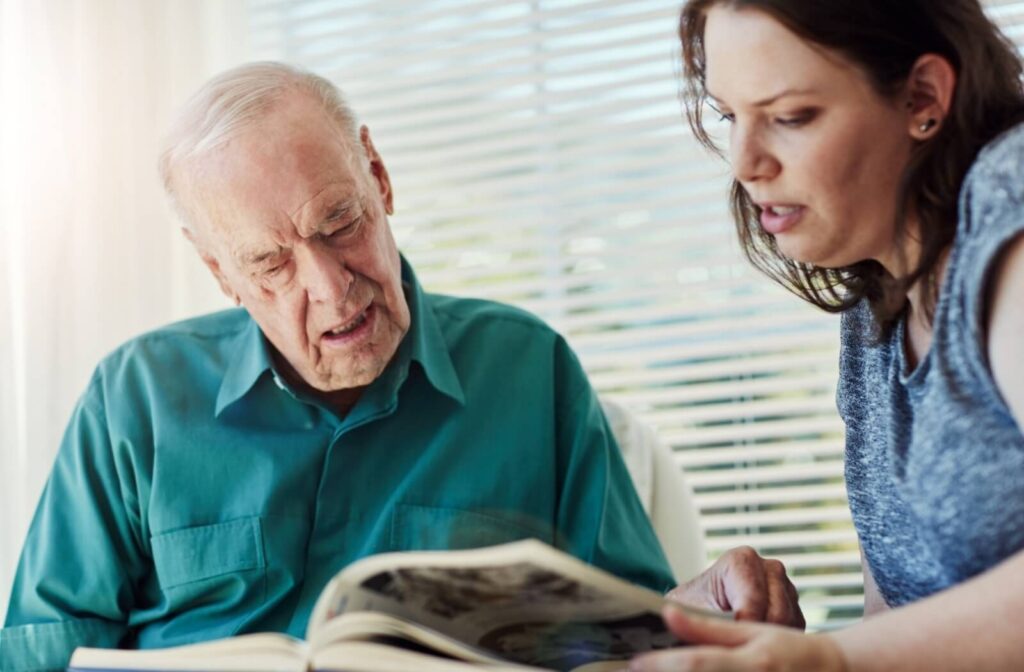
The Most Common Risk Factors for Dementia
Age remains the most significant risk factor for dementia, with the likelihood doubling approximately every five years after age 65. By age 85, roughly one-third of adults experience some form of dementia, making age the strongest predictor.
However, age isn’t the only factor to consider. Other risk factors include:
- Family history of Alzheimer’s or other dementias
- Chronic illnesses such as diabetes or heart disease
- High blood pressure
- History of smoking or heavy alcohol use
- Limited physical activity or a poor diet
Each of these damages the brain over time, which increases the odds of developing dementia.
When Should Someone with Dementia Move to Memory Care?
Eventually, dementia symptoms progress and begin affecting everyday life. This is entirely normal, but it can sometimes create new challenges for your family every day. If your loved one is showing clear signs of cognitive decline, don’t ignore it. Instead, it’s likely time to try memory care.
Memory care offers older adults targeted care built to support them through dementia’s unique challenges. Everything—from the physical environment to the caregiving team—is designed to preserve quality of life and dignity. It’s an incredibly helpful resource for families looking to care for a loved one with dementia.
When to Try Memory Care
It may be time to consider memory care if your loved one:
- Wanders or gets lost frequently
- Shows signs of increasing confusion or agitation
- Struggles with basic self-care or hygiene
- Needs more supervision than you can provide safely
- Becomes anxious or overwhelmed in their current environment
- Is at risk for falls, malnutrition, or missed medications
- Has a diagnosis of dementia and is no longer thriving at home
Each of these could lead to everyday problems. Fortunately, memory care is built to catch problems before they affect your loved one’s safety and well-being.
Is It Time to Try Memory Care for Your Loved One?
If you’re seeing signs of cognitive decline in someone you love, you’re not alone—and you don’t have to face this journey without support. At Park Gardens Senior Living, our memory care program is designed to provide the structure, safety, and compassion your loved one deserves.
Here in our community, we understand how challenging this journey can be for families. We’re here to help your family in a way that makes a difference, because that’s what you deserve. Schedule a tour today to learn how our memory care team can support your family’s journey with compassionate, individualized care.