
Key Takeaways
- The 5-word memory test is a short, simple tool used to check short-term memory recall.
- It involves remembering 5 unrelated words after a brief delay, with no equipment needed.
- Results can provide information about memory recall, but the test is not a diagnosis.
- Talking with a doctor, tracking memory changes, and leaning on family support can help you decide on next steps.
- Memory care can provide personalized support, familiar routines, and meaningful daily connection.
A Closer Look at the 5-Word Memory Test
You may have heard someone mention a quick memory check at a routine doctor’s visit. Maybe a family member brought it up after a health screening. It’s natural to wonder what these short tests measure and what the results mean for your loved one.
The 5-word memory test is a straightforward screening tool designed to assess short-term memory recall by asking a person to remember and repeat 5 unrelated words after a brief delay. It’s often used during cognitive screenings and can give healthcare providers information about a person’s memory and recall.
How the 5-Word Memory Test Works
The Basic Steps
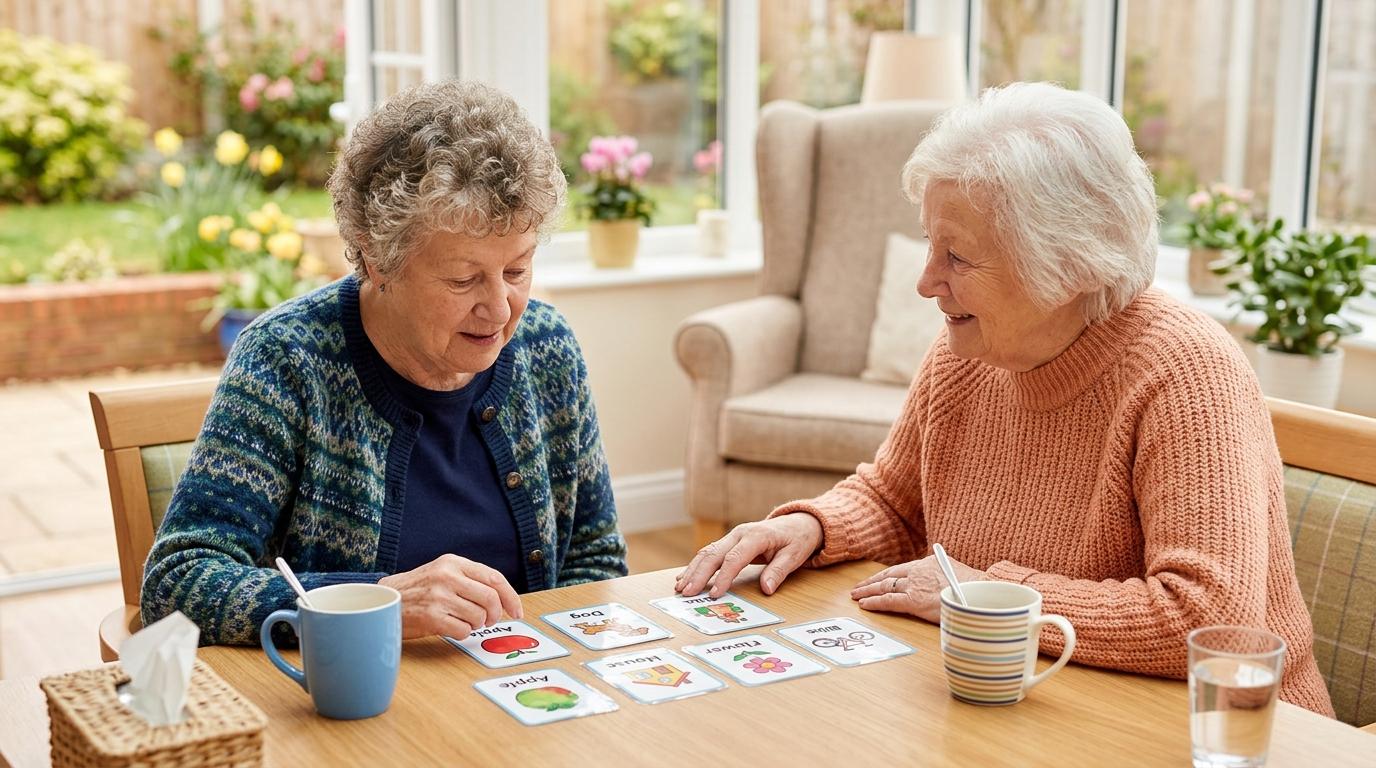
The process is simple. A person is read 5 unrelated words, such as “apple, river, candle, house, piano,” and then asked to complete another short task before being asked to recall those same words. No special equipment is needed, and the test typically takes only a few minutes.
There’s no studying or preparation required ahead of time. That’s part of the purpose of the test. It focuses on a person’s ability to remember new information after a short delay. How normal aging affects memory can also help families put these results into helpful context.
What the Results Can Indicate
Scoring on the test can provide information about a person’s ability to recall new information. Difficulty remembering several words may be worth discussing further with a doctor.
It’s worth noting that this test is not a diagnosis on its own. Results are simply one piece of a larger picture. A healthcare provider may use the results to guide a follow-up conversation or suggest additional screenings. Understanding the early warning signs of Alzheimer’s and dementia can also help families recognize other changes to discuss with a healthcare provider.
Memory Test Results & Next Steps
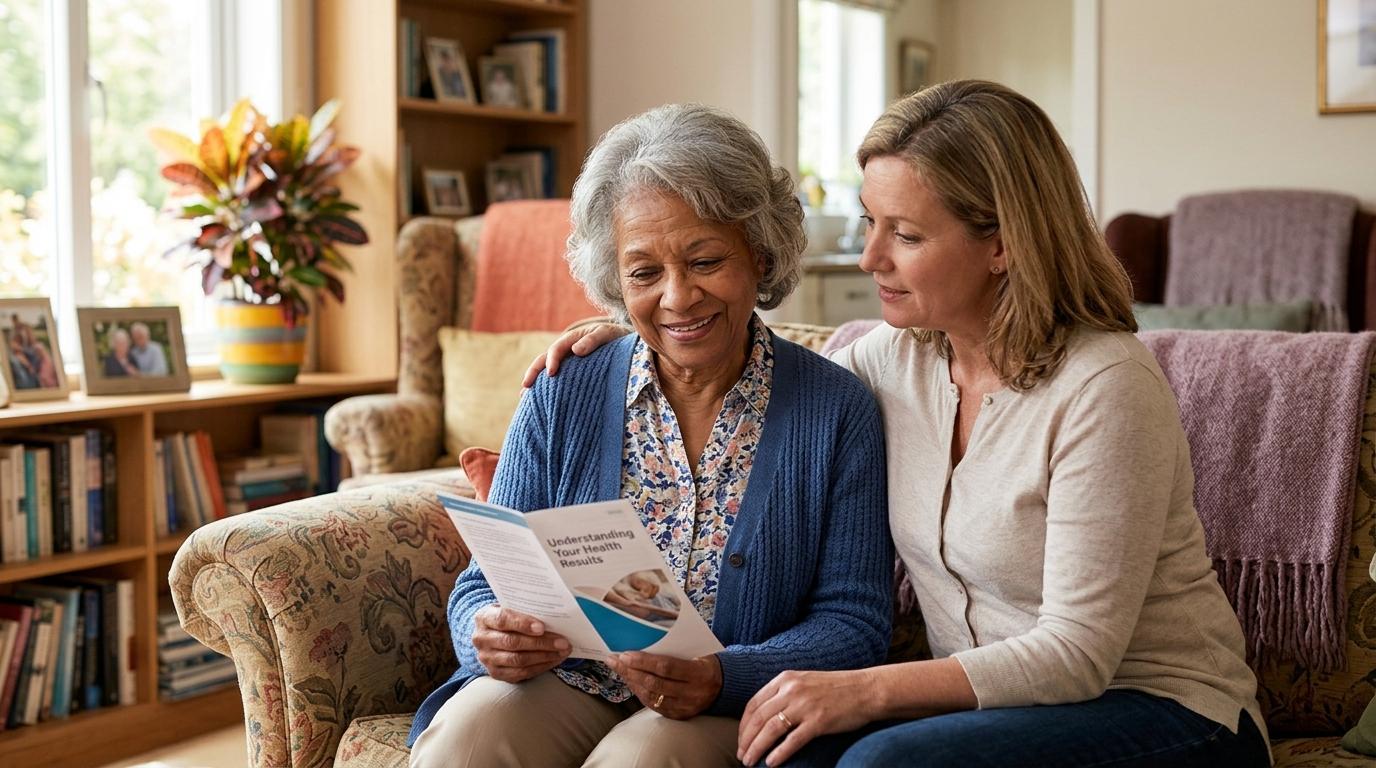
If the results raise questions, a helpful next step is to have an open, honest conversation with a doctor. Sharing specific examples of memory changes you’ve noticed, like forgetting recent conversations or misplacing familiar items, can give the doctor useful context during the conversation.
Keeping a simple log of memory changes over time can also be a valuable tool. Jotting down dates and specific moments can help provide more context for any follow-up appointments. And throughout this process, leaning on family members for support can help you work through questions together.
How Memory Care Support Can Help
A Warm, Structured Environment
For families exploring memory care options, one of the most meaningful things a community can offer is a sense of routine and familiarity. Consistent daily rhythms, familiar faces, and a calm atmosphere can help create a comforting environment for someone experiencing memory changes.
Memory care communities also build personalized care plans around each resident’s individual needs and preferences. Rather than a one-size-fits-all approach, care is shaped around who that person is, what brings them joy, and what kind of support fits their needs each day. Learning more about what memory care actually involves can help families feel more prepared as they explore their options.
Meaningful Daily Connection
Engagement and connection are important parts of memory care. Thoughtfully designed activities can encourage connection, support familiar routines, and give residents a sense of purpose throughout the day. Whether it’s music, gentle movement, creative projects, or group gatherings, residents can choose activities that reflect their interests and preferences.
Emotional and spiritual well-being can also be part of whole-person memory care. On-site support from chaplains and spiritual care programs can offer comfort to residents and families alike, especially during times of uncertainty. These resources can provide another source of connection and support.
Next Steps for Families on This Journey
If memory health has become a topic of conversation in your family, starting with honest and compassionate dialogue at home is a good place to begin. Approaching the subject with gentleness and patience can help everyone feel heard and respected, including your loved one. Exploring senior living options sooner rather than later also gives families more time to make thoughtful, informed decisions.
At Park Gardens Senior Living, our memory care community is built on warmth, connection, and personalized support. Through wellness-focused practices and our memory care program, we provide personalized care that supports your loved one’s needs while fostering a sense of belonging.
Contact us to learn more.